Choose, store and combine everyday ingredients with confidence
Use this practical guide to understand fresh produce, grains, pulses, proteins, herbs, spices and pantry essentials commonly used in flexible home cooking.
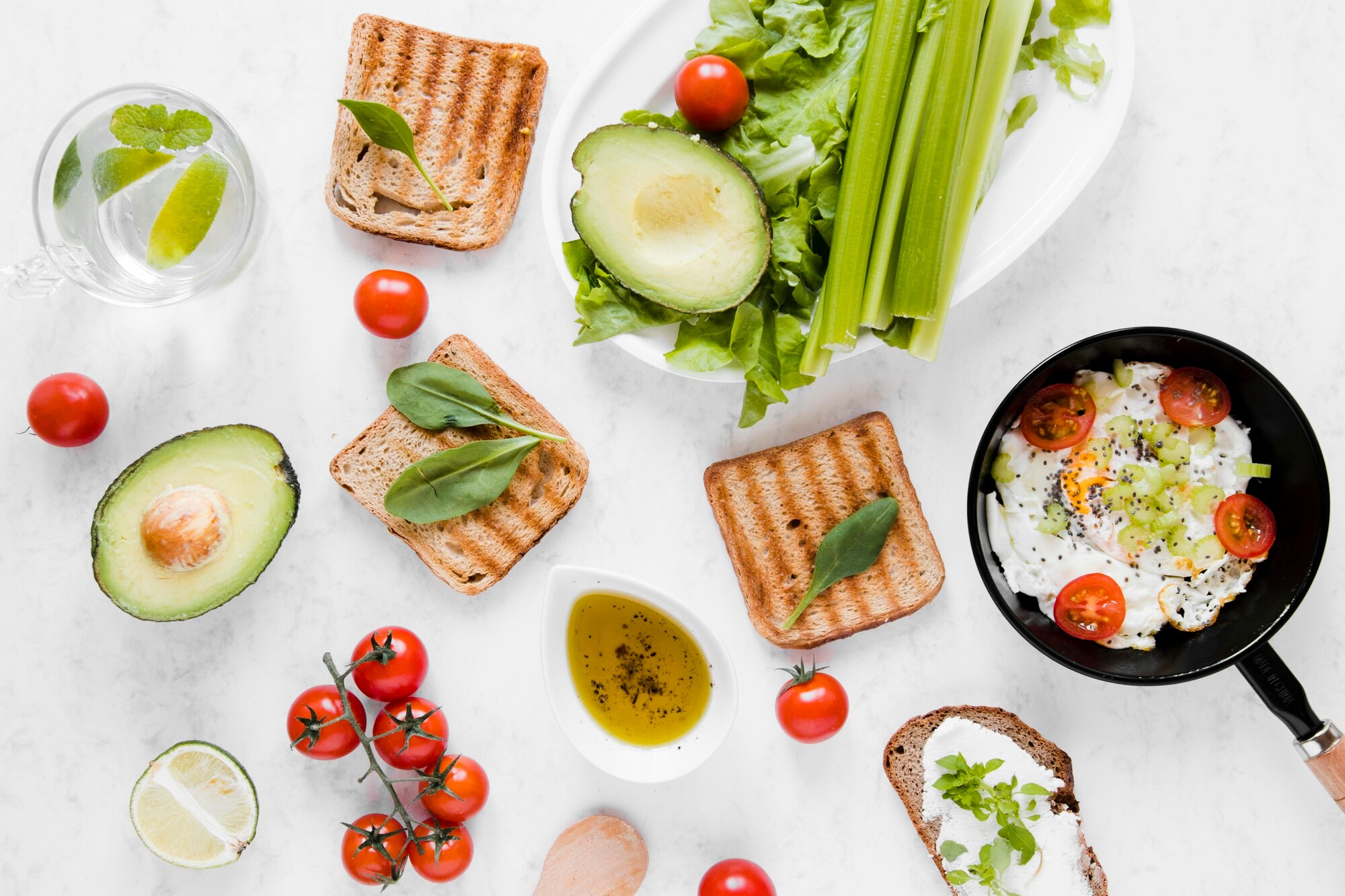
Ingredients become easier when you know what role they play
Instead of memorising endless pairings, consider function: what gives the meal body, colour, aroma, freshness, richness, acidity or crunch? This makes substitutions more logical and shopping more flexible.
Vegetables
Build colour, texture and volume through roasting, steaming, sautéing, braising and raw preparation.
- Choose firm, vibrant produce
- Store according to moisture needs
- Match the cut to the cooking time
Grains
Create adaptable bases with rice, oats, barley, quinoa and other grains prepared with consistent ratios.
- Rinse when appropriate
- Control liquid and resting time
- Cool safely for later use
Pulses
Use lentils, beans and chickpeas in soups, salads, bowls, dips and fillings.
- Season throughout the dish
- Pair soft textures with crunch
- Keep a pantry option available
Proteins
Cook eggs, tofu, fish, poultry and other choices with attention to preparation, heat and doneness cues.
- Use the correct pan temperature
- Avoid crowding when browning
- Rest where the method benefits
Herbs and aromatics
Layer fragrance with garlic, ginger, onions, spring onions, coriander, mint, basil and other fresh herbs.
- Add sturdy aromatics earlier
- Use delicate herbs near the end
- Store clean and appropriately dry
Acids and seasonings
Balance flavour with citrus, vinegars, fermented condiments, spices and measured seasoning.
- Taste before correcting
- Add acidity in small stages
- Consider salt already in sauces
Look for quality cues you can actually use
Appearance matters, but perfection is not the standard. Focus on freshness, firmness, aroma and whether the ingredient suits the method you plan to use.
A quick market check
- Leaves should look lively rather than slimy or heavily wilted.
- Root vegetables should feel firm and substantial for their size.
- Herbs should smell distinct when gently handled.
- Choose ripeness according to when you plan to use the ingredient.
Leafy greens
Wash in cool water, dry thoroughly and store with enough airflow to avoid trapped moisture.
Tomatoes
Keep flavourful ripe tomatoes at room temperature when possible and use very soft fruit in sauces.
Root vegetables
Store in a cool, dry place or the appropriate refrigerator drawer, away from excess moisture.
Fresh herbs
Treat soft herbs like delicate leaves and sturdy herbs like longer-lasting aromatics.
Mushrooms
Keep them ventilated and dry; cook in batches when browning is important.
Tropical fruit
Ripen at room temperature, then chill when needed to slow further softening.
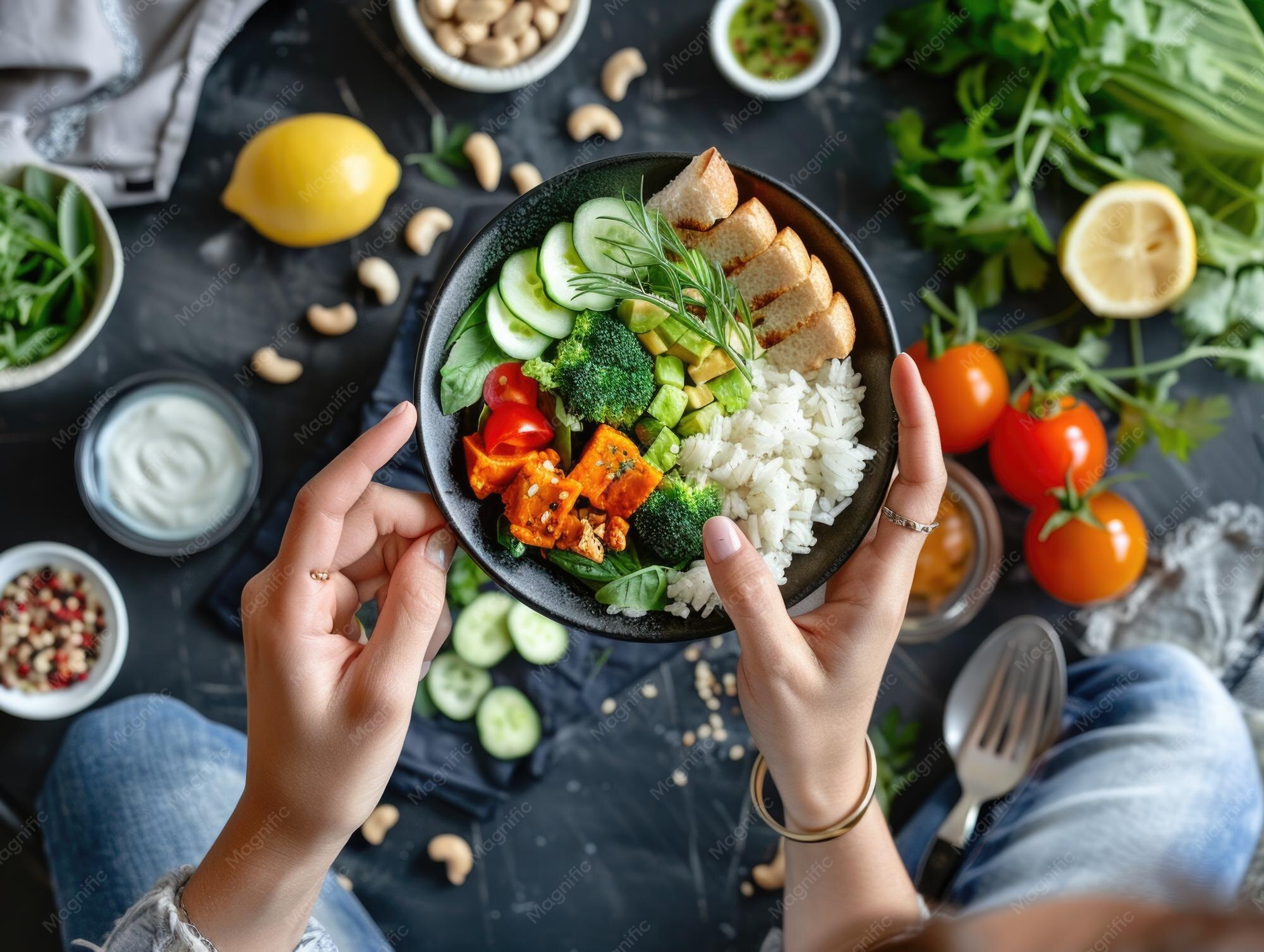
Think in layers of flavour and texture
A satisfying plate often combines several roles. Use this six-part prompt as a creative tool rather than a rigid rule.
Grain, noodles, bread, vegetables or another substantial foundation.
Eggs, tofu, pulses, fish, poultry or another preferred ingredient.
Raw vegetables, herbs, citrus or a crisp salad.
A dressing, broth, yoghurt, pesto or savoury glaze.
Seeds, nuts, crisp vegetables or toasted crumbs.
A final adjustment of seasoning, acidity or aroma.
A focused pantry supports faster meals
Choose ingredients you genuinely use. A smaller, visible pantry is often more helpful than a crowded collection of one-off items.
Reliable bases
Rice, oats, noodles, lentils, canned beans and a preferred bread or wrap.
Flavour builders
Olive or neutral oil, vinegars, soy sauce, mustard, tahini and tomato products.
Spice core
Keep a small set suited to your cooking, such as cumin, paprika, turmeric, chilli and black pepper.
Texture and finish
Seeds, nuts, dried fruit or crisp toppings stored carefully to preserve freshness.
Protect quality and reduce avoidable waste
See what you have
Keep frequently used food visible, label prepared items and place older ingredients where they will be noticed first.
Control moisture
Some ingredients need airflow and dryness, while others benefit from covered storage. Match the container to the food.
Cool and store promptly
Follow sound food-safety practices for cooked foods and use your local official guidance when detailed handling advice is needed.
See how ingredients change under heat, seasoning and time
Our guided programme turns ingredient knowledge into practical cooking decisions through demonstrations and repeatable exercises.